Environmental Monitoring (EM) for Cleanrooms and GMP Production
Environmental monitoring (EM) is the ongoing programme that demonstrates your cleanroom continues to meet requirements between classifications. We build and run your EM programme: establishing sampling points and frequency, performing particle counting and microbial sampling, setting alert and action limits, and delivering trendable documentation. All in accordance with EU GMP Annex 1, ISO 14644-2 and EN 17141 – ready for audit.
What is environmental monitoring (EM)?
In short: Environmental monitoring (EM) is the ongoing programme that demonstrates, between classifications, that a cleanroom's cleanliness is maintained during operation. It combines particle counting (non-viable) and microbial sampling (viable) with defined limits and trending.
What is the difference between classification and environmental monitoring?
In short: Classification verifies that the cleanroom meets a specific class at the time of measurement. Environmental monitoring is the ongoing programme that demonstrates, between classifications, that cleanliness is maintained under actual operating conditions.
Which standards apply to environmental monitoring?
In short: The key standards are EU GMP Annex 1 (environmental monitoring in Grade A–D), ISO 14644-2 (monitoring that demonstrates continued compliance), EN 17141 (microbiological contamination control) and 21 CFR Part 11 (data integrity).
Can you run the monitoring on an ongoing basis for us?
In short: Yes. We carry out recurring on-site sampling and offer fixed, mobile and multi-point installation for continuous monitoring.
When is this relevant?
- Aseptic pharmaceutical production – continuous monitoring of Grade A/B under EU GMP Annex 1
- GMP-regulated environments – the requirement to continuously demonstrate compliance, not only at classification
- Cleanrooms in operation – verifying that cleanliness is maintained under actual operating conditions
- Healthcare and sterile manufacturing – operating theatres, sterile processing units and production of sterile products
- Food & QC – monitoring of particles and microbial contamination in production
- Ahead of audit or inspection – ensuring monitoring data and trends are complete
What is included
- Particle counting (non-viable) of airborne particles according to ISO 14644 and Annex 1
- Microbial sampling (viable) – air CFU, supplemented with surface and personnel sampling as needed
- Monitoring plan with defined sampling points, frequency and worst-case positions
- Alert and action limits with clear escalation on deviation
- Trending and reporting – data tracked over time to catch deviations early
- Fixed, mobile or multi-point installation for continuous monitoring
How it works
Risk & needs analysis
We review your processes, cleanroom classes and regulatory requirements.
Monitoring plan
Sampling points, frequency and limits are established and documented.
Execution
Sampling and particle counting are carried out with calibrated equipment, on-site or via installed systems.
Report & trending
Results against alert/action limits, trend analysis and recommendations.
What you receive
- Documented monitoring plan with sampling points, frequency and limits
- Results against alert and action limits per sampling point
- Trend analysis over time with recommendations
- Documentation according to EU GMP Annex 1, ISO 14644-2 and EN 17141
- Audit-ready documentation for regulatory inspection and internal quality control
Industries we serve
Cleanroom
Complete air monitoring for cleanrooms – particle counting, microbiological samp...
Hospitals & Clinics
Air sampling in operating theatres, sterilisation units and cleanroom environmen...
Pharmaceuticals & Biotech
Microbiological air monitoring in cleanrooms, aseptic production and sterility t...
Food & QC
Monitor air quality in food production lines. Microbiological monitoring and par...
Equipment
Related instruments
We sell and calibrate instruments used for this type of sampling.
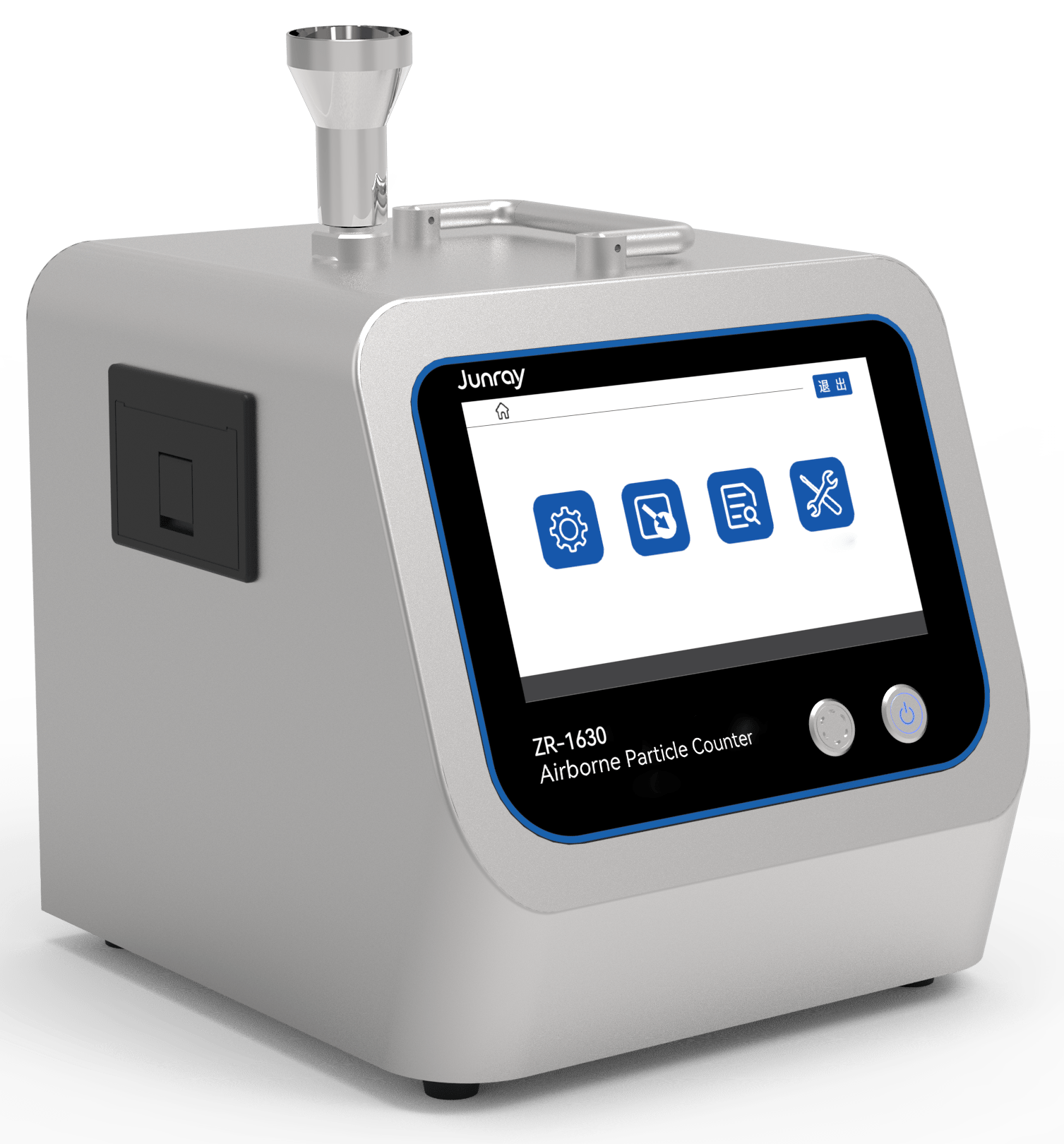
ZR-1630
Portable 6-channel particle counter – 28.3 L/min
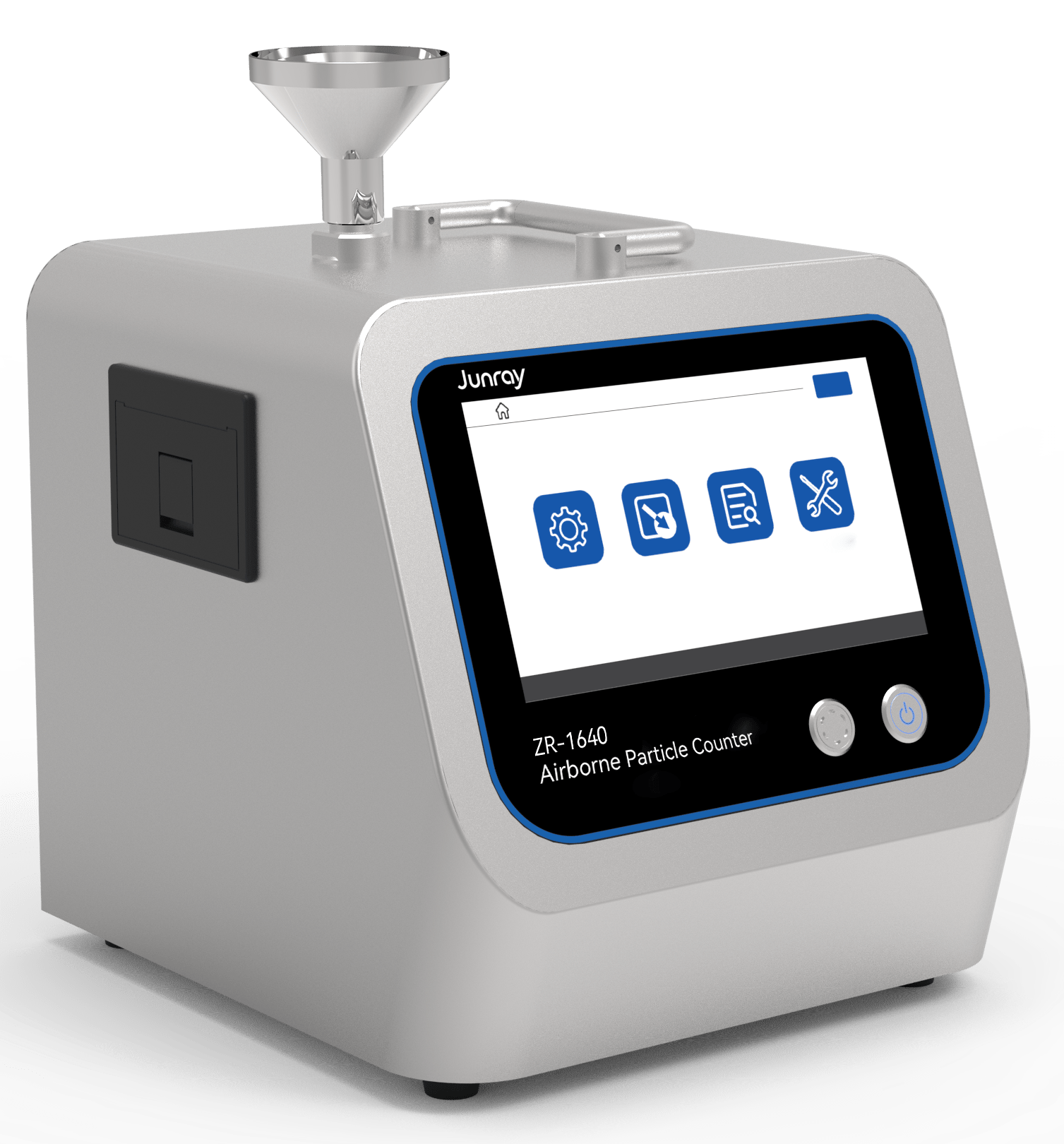
ZR-1640
Portable 6-channel particle counter – 100 L/min
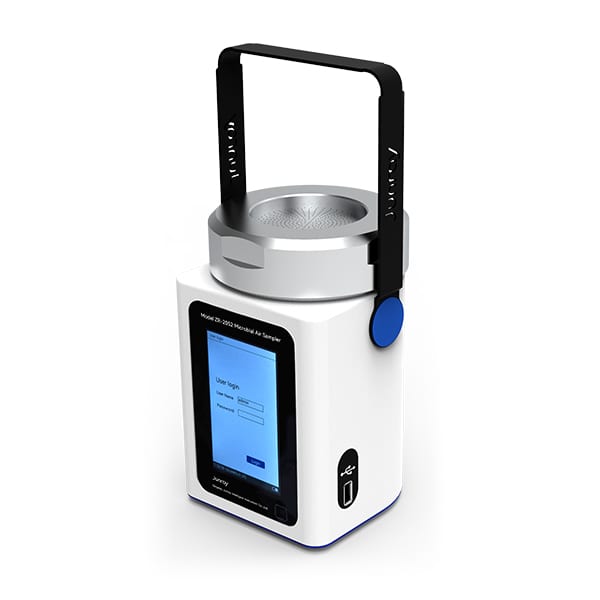
ZR-2052
Portable microbial air sampler with touchscreen and audit trail
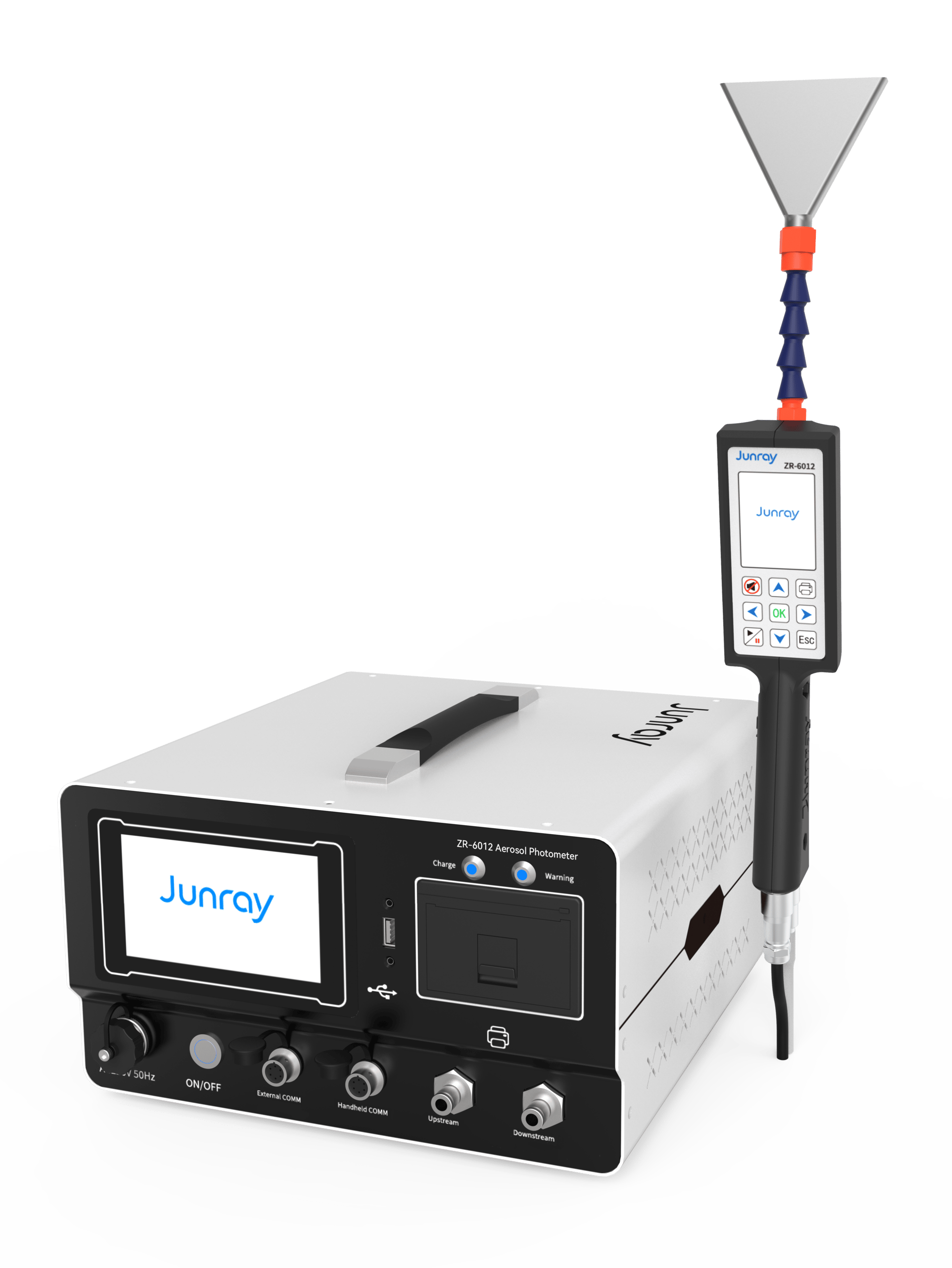
ZR-6012
Portable aerosol photometer for HEPA/ULPA filter integrity testing
Frequently asked questions about environmental monitoring
Classification is a recurring verification that the cleanroom meets a specific class at the time of measurement. Environmental monitoring is the ongoing programme that demonstrates, between classifications, that cleanliness is maintained during operation.
Typically particle counting (non-viable) and microbial sampling (viable) of air, often supplemented with surface sampling. Scope and frequency are determined by cleanroom class and regulations.
It depends on cleanroom class and operations. Grade A/B in aseptic production requires frequent, often continuous monitoring, while lower classes can have longer intervals. We help you establish the right frequency.
Yes. We can carry out recurring on-site sampling and offer fixed, mobile and multi-point installation for continuous monitoring.
Contact
Book a free assessment
Describe your situation and we will carry out an assessment and get back to you with a proposal and quote.
What happens next?
Quick response
We get back to you within 1 business day
3-5 questions
We ask questions to find the right approach
Proposal + quote
You receive a tailored proposal

Get a Quote Within 48 Hours
Tell us about your facility and requirements — we'll respond with a detailed proposal within two business days.